Leopards' Class Summer Term
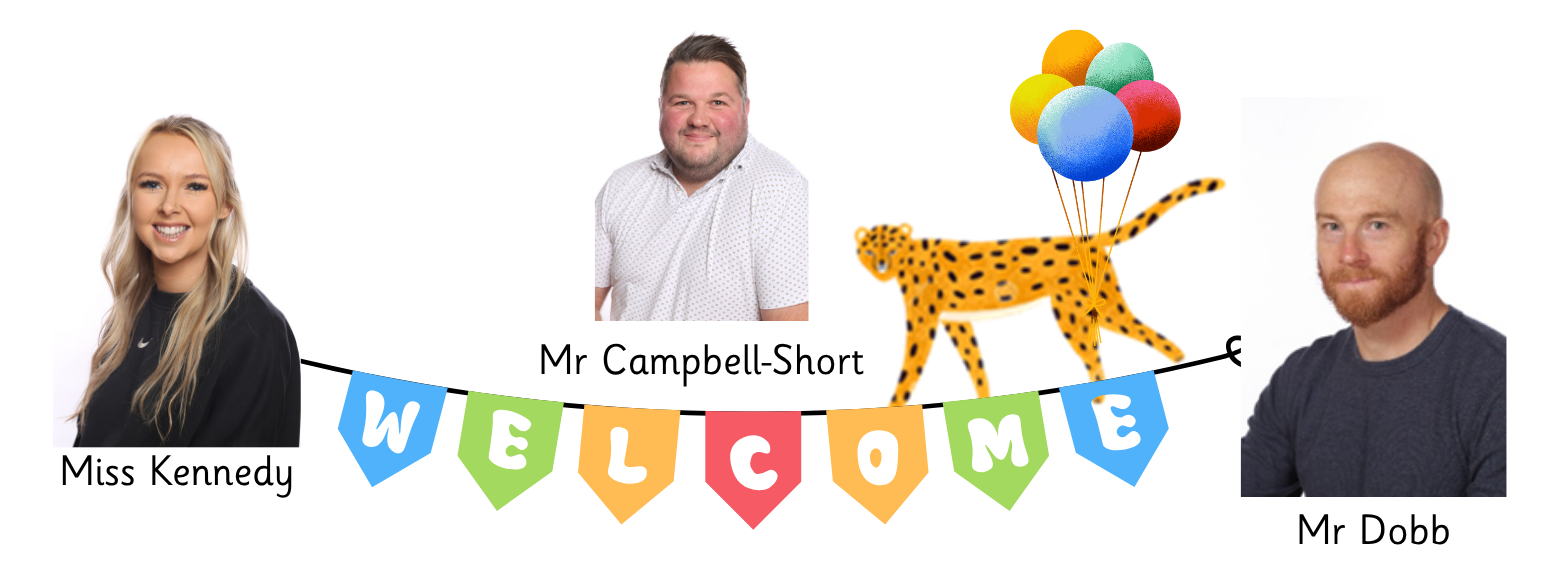
Miss Kennedy is the class teacher in Leopards. Miss Kennedy really enjoys Writing and SPaG where she can be creative and imaginative. This term Miss Kennedy is really looking forward to watching the children smash their SATs but most of all spending time with the children at their residential at Walesby Scount Camp in July. Mr Dobb is the TA in Leopards class. Mr Dobb really enjoys music as it is an excuse to play the guitar and making things in DT. Additionally, year 6 are lucky to have Mr Campbell-Short one of our learning support assistants working alongside them. Mr Campbell-Short is a keen sports person, regularly playing both rugby and golf.
Leopards have PE sessions on a Tuesday. Fridays are a busy day in year 6! Spellings are tested and homework is given out and expected on the following Friday. Additionally, star stamps are given out for reading at home. Don't forget our celebrations assembly where we will discover our spelling shed class of the week and Queen Bee!
Maths
In our Maths lessons, the children will be developing their understanding of geometry, with a focus on angles and shapes. They will learn to measure, compare and calculate angles, including identifying vertically opposite angles and understanding how angles relate within shapes such as triangles, quadrilaterals and polygons. The children will explore how the angles in these shapes add up and use this knowledge to find missing angles and solve problems.
As the unit progresses, the children will learn about circles and their properties, and practise drawing shapes accurately using mathematical tools. They will also explore 3D shapes, including how they can be constructed from nets, developing their spatial awareness and reasoning skills. Overall, this learning will build confidence in applying geometric skills and deepen their understanding of how maths is used to describe the world around them.
History
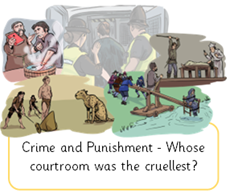
In our History learning, we have been exploring the fascinating topic of Crime and Punishment through the big question, “Whose courtroom was the cruellest?” The children have investigated how crime and punishment have changed over time, beginning with an introduction to what crime and punishment actually mean. They then travelled back through history, learning about life in Roman Britain, the Anglo-Saxon period, the Tudor and Stuart eras, and the Victorian age, discovering how laws, types of crime and punishments differed in each period. We also examined how the police force developed during the 20th century and compared past systems with how crime and punishment are dealt with today. Throughout this unit, pupils have built their understanding of historical change, developed their questioning and reasoning skills, and formed thoughtful opinions about how fair and effective different systems have been over time.
Writing
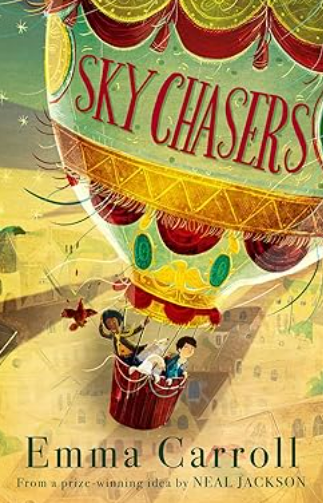
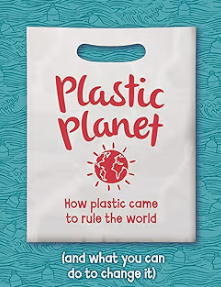 Our writing this term will be inspired by the books ‘Plastic Planet’ by Georgia Amson-Bradshaw and 'Sky Chasers' by Emma Carroll. Plastic Planet offers young readers the perfect, non-alarmist introduction to Earth's plastic crisis. The children will use this text to create a persuasive speech campaigning for the reduction in plastic waste to an audience of peers. Secondly, Sky Chasers follows Magpie, a young thief living on the streets of eighteenth-century France, whose life changes when she becomes involved with the Montgolfier family and their dream of creating the first hot-air balloon. The children will write the next chapter of Sky Chasers in the style of the author from two different viewpoints. Furthermore in our writing, we will continue to develop our grammar, punctuation and spelling through our Gateway, Mastery and Feature keys.
Reading
Our reading units cover non-chronological reports, poetry, play scripts and persuasive adverts, covering a  range of topics, some of which will be topics the children have had previous access to. Our children will develop word reading and fluency through engaging activities like echo reads, timed reads, and fluency grids. Each text introduces high-frequency words and common exception words, helping children read aloud and grasp new meanings through repeated reading. The children are encouraged to use their vocabulary to understand texts, checking for clarity and discussing meanings in context. They'll tackle various retrieval questions to identify key aspects of texts, such as characters and events, and summarise main ideas using essential details. Additionally, children will make inferences about characters' feelings and thoughts by justifying their interpretations with evidence. Distinguishing between fact and opinion is also emphasised, allowing children to provide reasoned justifications for their views.
Art
In our Art lessons, the children will be exploring the exciting and expressive world of Street Art. 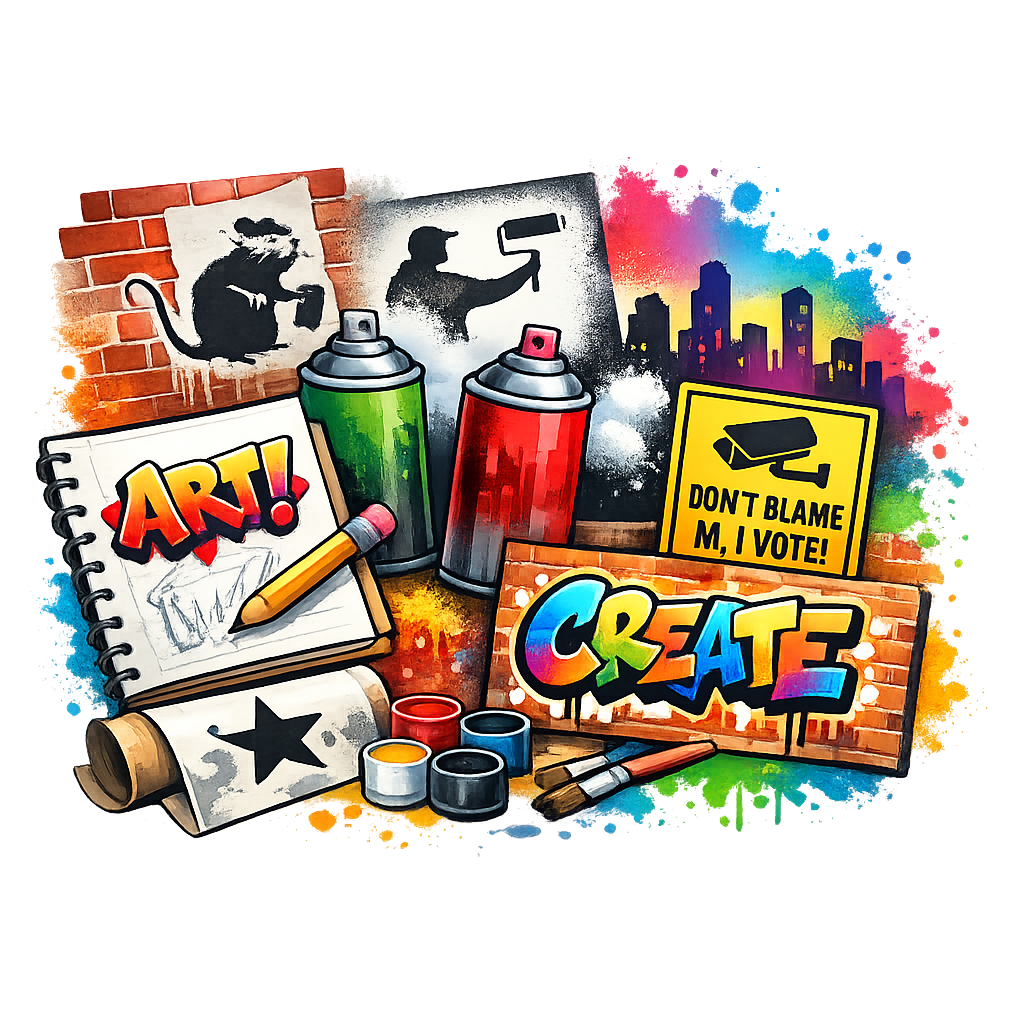 They will begin by developing their sketching skills, creating stylised graffiti lettering and experimenting with different ways to present bold and eye-catching designs. Building on this, our children will generate ideas for how art can be used to improve public spaces, thinking carefully about audience and purpose. They then explored how artists use satire to communicate messages, creating their own thoughtful pieces designed for display in public areas. Throughout the unit, the children will also learn and practise techniques for creating street art using stencils, before producing their own final pieces. This project will encourage creativity, independence and confidence.
Design and Technology
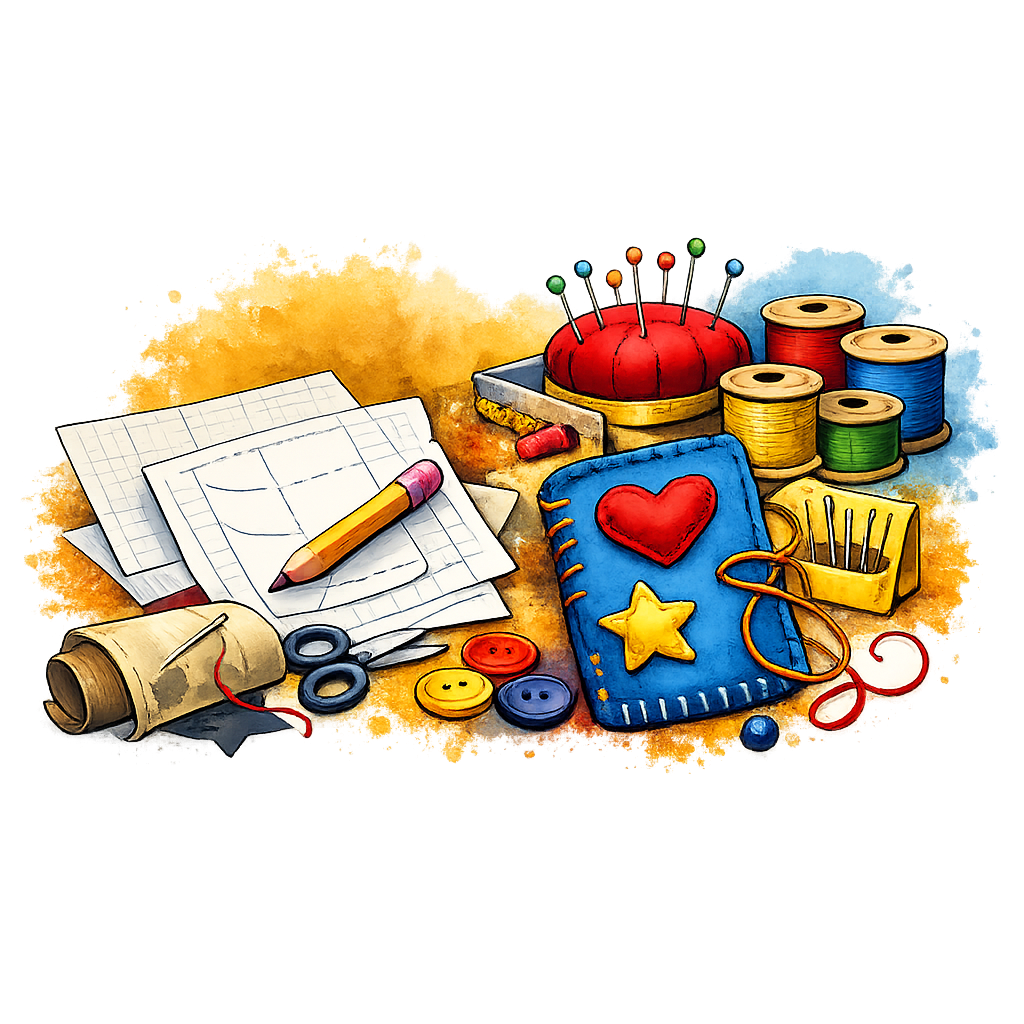 In our Design and Technology lessons, the children will be working on an exciting sewing project to design and make a mobile phone case. They will begin by writing their own design criteria, thinking carefully about what makes a product both practical and appealing. The pupils will then generate a range of creative ideas and clearly communicate their chosen design before creating a paper template to support their planning. As their skills develop, they will practise different types of stitches, selecting the most suitable one for both strength and appearance. The children will organise their ideas into a clear, step-by-step plan and choose decorative techniques and fastenings, considering both function and aesthetics. Finally, they will evaluate their finished products after use, reflecting on how well they meet their design criteria. We are looking forward to seeing the resilience, creativity and practical skills the children will demonstrate throughout this project.
Computing
In our Computing lessons, the children will be developing their understanding of programming  through the topic of Sensing Movement. They will create programs for controllable devices and learn how inputs, outputs, variables and selection can be used to control what happens. They will design and develop their own projects, building confidence in using key programming concepts.
Alongside this, the children will explore Creating Media through Video Production. They will learn what makes a video effective, use digital devices to record footage, and plan their ideas using storyboards. They will also develop editing skills, understanding how changes can improve their final videos and reflecting on the choices they make.
PE
 In our PE lessons, the children will be developing a range of physical skills through gymnastics, athletics and games. In gymnastics, they will focus on travelling, linking actions, and performing rolls and jumps with increasing control and confidence. In athletics, pupils will practise key skills in running, throwing and jumping, building strength, coordination and technique. Alongside this, the children will take part in invasion games such as netball and rounders, developing teamwork, communication and tactical understanding. They will also take on roles linked to leadership in PE, learning how to support, organise and guide others during activities. We are looking forward to seeing the children grow in confidence, cooperation and physical ability throughout these lessons.
Science
In our Science lessons, the children will be exploring the topic of Electricity, focusing on how 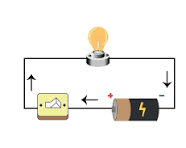 circuits can be built and changed. They will learn how to create a working circuit to light a lamp and investigate how different changes—such as altering components or adding more bulbs—affect how the circuit works. The children will also explore how to make a lamp brighter or dimmer and develop their ability to predict outcomes by comparing different circuit designs.
In addition, pupils will study Body Health, learning how to make healthy lifestyle choices. They will explore the importance of a balanced diet and understand what can happen if this is not maintained. The children will investigate how physical activity affects heart rate and learn about the impact that smoking or vaping can have on the body, particularly on lung capacity. Through this unit, they will develop a greater understanding of how to keep their bodies healthy and make informed choices.
RE
In our Religion and Worldviews lessons, the children will be exploring how different beliefs shape family life, communities and the wider world. They will study a range of religions, including Christianity, Hinduism and Humanism, and consider what contributions these make to life in Nottinghamshire. Through discussion and enquiry, pupils will explore how we can create communities built on tolerance, respect and understanding of different beliefs and traditions.
The children will also investigate beliefs in action, focusing on global issues such as human rights, fairness, social justice and caring for the environment. They will explore key questions such as What is freedom? and What is justice?, using stories and real-life examples to support their understanding. Pupils will learn about non-violent protest movements and consider how individuals and communities can stand up for what is right. This unit will encourage thoughtful discussion, helping children to develop empathy, respect and a deeper understanding of their role in creating a fair and just world.
RSHE
In our PSHE lessons, the children will explore themes that support their wellbeing, relationships and safety. They will learn about acceptance and diversity, as well as understanding democracy and respect for others. Pupils will also develop strategies for keeping themselves healthy and coping with change.
 The children will learn how to stay safe online, including understanding privacy, scams and how to use digital content responsibly. They will also explore positive relationships and families, alongside age-appropriate relationships and sex education, helping them to understand how humans grow and develop.
French
 Our French will see us learning how to read, say and write words, phrases and sentences relating to The Viking and Me in the World.
Music
Children will develop their ability to create their own music with increasing independence. They will explore how to improvise using rhythm, pitch and dynamics, learning to shape their ideas into musical ‘phrases’ and short melodies.
In the second half of the term the children will plan and perform their own final performance, working as a class, in groups or bands. They will select songs, practise instrumental and vocal parts, and think about how to present their music to an audience. This final unit celebrates their journey in music, helping them develop skills in performance, teamwork and creativity.